
- Your cart is empty
- Continue Shopping
What Is Varanasi Famous For? 10 Unique Things That Make Kashi Special
Varanasi, also known as Kashi and Banaras, is one of the oldest and most spiritually significant cities in the world. Situated on the banks of the sacred River Ganga, the city attracts pilgrims, spiritual seekers, travellers, scholars, artists, and food lovers from across India and around the world.
But what is Varanasi famous for?
Most people know Varanasi for its ancient temples, holy ghats, and the grand Ganga Aarti. However, the identity of Kashi goes much deeper. The city is also known for Vedic astrology, handwritten Kundali traditions, Ayurveda, classical music, Banarasi silk, traditional food, Sanskrit learning, and centuries-old spiritual practices.
Here are 10 unique things that make Varanasi one of the most extraordinary cities in India.
1. Ancient Temples and the Sacred Kashi Vishwanath Temple
Varanasi is widely known as the City of Temples. Thousands of temples, from small neighbourhood shrines to historically important spiritual centres, are spread across the city.
The most famous among them is Shri Kashi Vishwanath Temple, dedicated to Lord Shiva. It is one of the twelve sacred Jyotirlingas in India and holds immense importance in Hindu tradition.
Kashi is often called the city of Mahadev because Lord Shiva is believed to be the eternal guardian of the city. Devotees visit Varanasi to seek blessings, perform religious rituals, and experience the spiritual atmosphere surrounding its ancient temples.
Apart from Kashi Vishwanath Temple, some other well-known temples include:
- Sankat Mochan Hanuman Temple
- Kaal Bhairav Temple
- Maa Annapurna Temple
- Durga Kund Temple
- Mrityunjay Mahadev Temple
- Tulsi Manas Temple
Each temple has its own history, traditions, and spiritual significance.
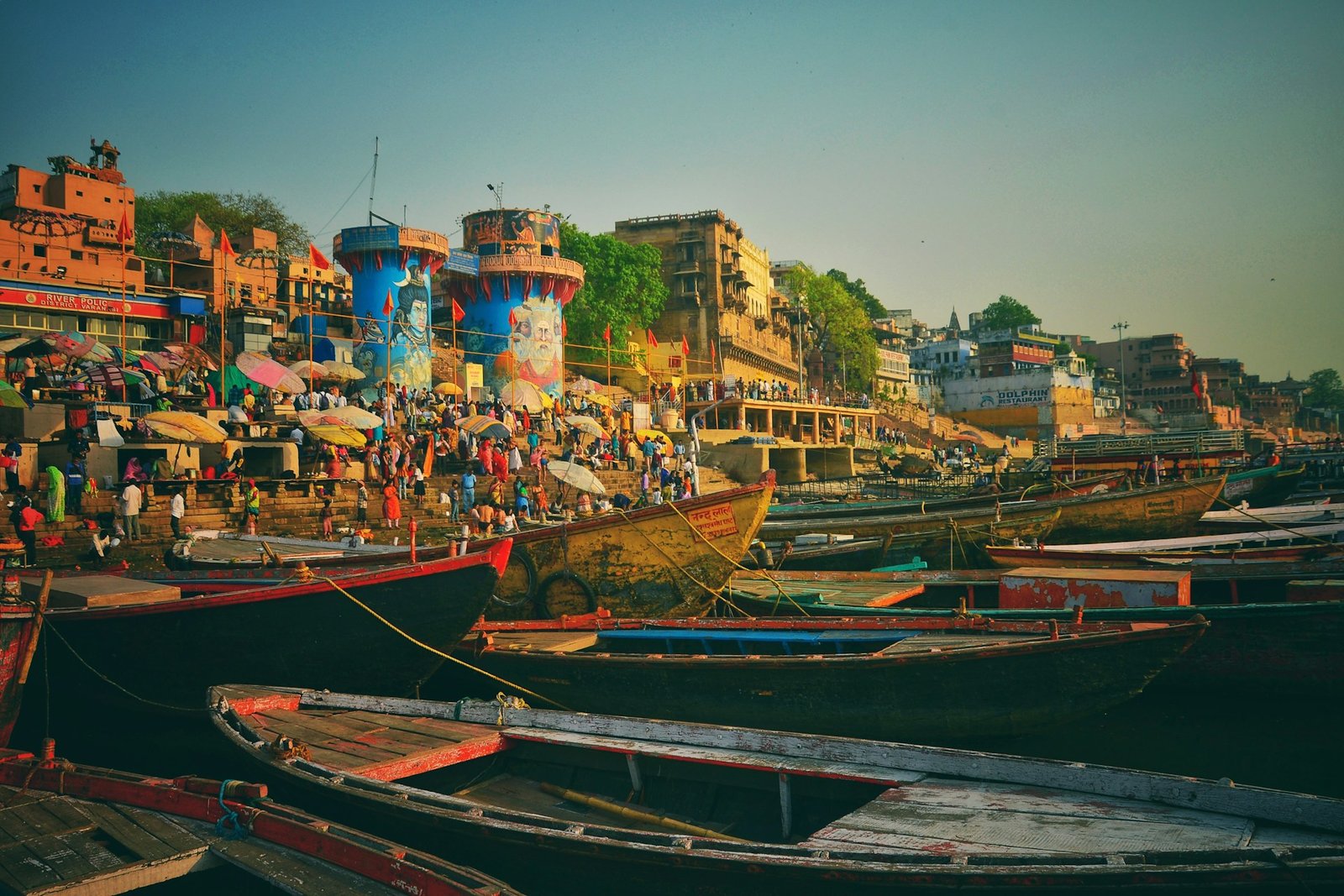
2. The Holy Ghats of River Ganga
The ghats of Varanasi are among the most iconic sights in India. The city has more than 84 ghats situated along the banks of the River Ganga.
Every ghat has its own identity. Some are associated with prayer and meditation, while others are connected with ancient legends, religious ceremonies, yoga, music, and daily life.
Dashashwamedh Ghat is famous for the grand evening Ganga Aarti. Assi Ghat is known for its peaceful atmosphere, morning rituals, yoga sessions, and cultural activities.
Manikarnika Ghat is one of the oldest and most sacred cremation grounds in Hindu tradition. Many people believe that attaining the end of life in Kashi can lead the soul towards moksha, or liberation from the cycle of birth and death.
A sunrise boat ride along the ghats offers a unique view of Varanasi. The sound of temple bells, Vedic chants, flowing water, and the rising sun creates an experience that is difficult to find anywhere else.
3. Vedic Astrology and the Tradition of Handwritten Kundali
Varanasi has been an important centre of Vedic astrology, Jyotish Shastra, Sanskrit learning, and spiritual knowledge for centuries.
Traditionally, people visited learned astrologers and pandits in Kashi to understand their Janam Kundali. Before astrology software and online Kundali generators became common, birth charts were calculated and written manually.
A traditional handwritten Kundali is more than a printed birth chart. It may include personalised observations related to:
- Lagna and planetary positions
- Rashi and Nakshatra
- Important Yogas
- Education and career
- Marriage and relationships
- Health tendencies
- Wealth and financial possibilities
- Major life periods
- Dasha analysis
- Traditional guidance and remedies
Even today, many families prefer a handwritten Kundali prepared through the traditional knowledge of Kashi because it carries a personal and cultural value that a computer-generated PDF may not provide.
For newborn babies, families may also preserve a handwritten Janam Kundali as a lifelong record containing the child’s birth details, Nakshatra, Rashi, suggested name letters, planetary positions, and important astrological observations.
This centuries-old tradition continues to connect modern families with the Vedic knowledge preserved in Kashi.4. Ayurveda and Traditional Healing Knowledge
Varanasi has a deep connection with Ayurveda, India’s ancient system of health and wellness.
The city is traditionally associated with Lord Dhanvantari, who is worshipped as the divine source of Ayurveda. Over generations, Varanasi has been home to Ayurvedic scholars, practitioners, herbal medicine traditions, and centres of classical learning.
Traditional Ayurvedic knowledge focuses on maintaining balance between the body, mind, lifestyle, diet, and natural environment.
Varanasi is known for practices and products such as:
- Ayurvedic herbs
- Traditional herbal preparations
- Medicinal oils
- Natural wellness practices
- Yoga and meditation
- Ayurvedic dietary principles
- Seasonal health routines
The connection between Ayurveda, yoga, spirituality, and daily life remains visible in many parts of Kashi.
5. Banarasi Food and Famous Street Flavours
Varanasi is famous for its rich vegetarian cuisine and traditional street food. Food in Banaras is not only about taste; it reflects the city’s culture, festivals, seasons, and relaxed way of life.
Some famous foods of Varanasi include:
Kachori Sabzi
A popular Banarasi breakfast consisting of hot kachoris served with flavourful and spicy vegetable curry.
Tamatar Chaat
A unique Banarasi dish prepared with tomatoes, potatoes, spices, and crispy toppings. Its sweet, spicy, and tangy flavour makes it different from many other Indian chaats.
Banarasi Paan
Banarasi paan is famous throughout India. It is traditionally prepared using betel leaf with different sweet or aromatic ingredients. Order banarasi paan from banaras.
Malaiyyo
Malaiyyo is a light, creamy winter delicacy. It is traditionally prepared during the colder months and is known for its soft, cloud-like texture.
Lassi
Thick Banarasi lassi, often served in a traditional kulhad, is another favourite among visitors.
Other popular foods include chooda matar, gol kachori, samosa, jalebi, thandai, rabri, and traditional Indian sweets.6. Banarasi Silk Sarees and Traditional Weaving
Banarasi silk sarees are among the most respected and recognised handloom products of India.
Known for detailed weaving, rich silk, elegant patterns, and traditional craftsmanship, Banarasi sarees are often worn during weddings, festivals, and important family celebrations.
The weaving tradition of Banaras has been passed from one generation of artisans to another. Depending on the design, a saree may require weeks or even months of skilled work.
Banarasi sarees are especially known for:
- Intricate zari work
- Floral and traditional motifs
- Mughal-inspired patterns
- Detailed borders
- Rich silk texture
- Timeless wedding designs
The handloom communities of Varanasi continue to preserve one of India’s most valuable textile traditions.
7. Classical Music, Spiritual Songs, and Banaras Gharana
Varanasi has made an important contribution to Indian classical music.
The city is associated with the Banaras Gharana, a respected tradition of Hindustani classical music. Music in Kashi is closely connected with temples, festivals, devotional practices, and cultural gatherings.
Varanasi has been associated with renowned musicians and artists, including Ustad Bismillah Khan, whose shehnai became an important part of India’s musical heritage.
The city is known for:
- Hindustani classical music
- Tabla
- Shehnai
- Dhrupad
- Thumri
- Kajri
- Chaiti
- Bhajan and devotional music
Music can often be heard near temples, ghats, cultural centres, and traditional neighbourhoods.
8. Sanskrit Education and Ancient Centres of Knowledge
Kashi has been a major centre of education and spiritual learning for centuries.
Scholars from different regions traditionally travelled to Varanasi to study subjects such as:
- Sanskrit grammar
- Vedas
- Upanishads
- Vedanta
- Jyotish Shastra
- Ayurveda
- Philosophy
- Hindu scriptures
- Classical literature
The traditional Guru-Shishya system played an important role in preserving this knowledge.
Today, institutions such as Banaras Hindu University continue the city’s educational legacy while combining traditional subjects with modern education, science, medicine, technology, arts, and research.
9. Moksha, Spirituality, and the Search for Inner Peace
Varanasi is considered one of the holiest cities in Hinduism and is closely associated with the idea of moksha.
According to Hindu belief, Kashi is a sacred place where spiritual practices, devotion, self-reflection, and the blessings of Lord Shiva can guide a person towards liberation.
People visit Varanasi for many spiritual reasons, including:
- Ganga Snan
- Temple darshan
- Meditation
- Yoga
- Pind Daan
- Shraddha rituals
- Religious ceremonies
- Spiritual learning
- Inner peace
The city presents life and death as parts of the same continuous journey. This unique spiritual perspective gives Varanasi an atmosphere unlike that of most other cities.
For many visitors, a journey to Kashi becomes more than a religious trip. It becomes an opportunity to reflect on life, purpose, time, and inner consciousness.
10. Festivals and the Living Culture of Banaras
Festivals in Varanasi are celebrated with devotion, music, lights, rituals, and community participation.
Some important festivals and cultural celebrations include:
- Dev Deepawali
- Mahashivratri
- Ganga Mahotsav
- Holi
- Diwali
- Nag Nathaiya
- Bharat Milap
- Ramnagar Ramlila
- Buddha Purnima
Dev Deepawali is one of the most visually remarkable celebrations in Varanasi. Thousands of diyas illuminate the ghats, creating a beautiful view along the River Ganga.
Mahashivratri also holds special importance because Kashi is considered the city of Lord Shiva. Temples remain filled with devotees, processions, chants, and traditional celebrations.
The festivals of Banaras are not limited to religious ceremonies. They bring together spirituality, music, food, art, local traditions, and community life.
Why Is Varanasi Also Called Kashi and Banaras?
Varanasi is known by three popular names: Kashi, Banaras, and Varanasi.
Kashi is considered the ancient spiritual name of the city. The word is often associated with light, knowledge, and spiritual illumination.
Banaras is a widely used cultural and traditional name. It is commonly connected with Banarasi food, Banarasi silk, Banarasi paan, music, language, and the distinctive lifestyle of the city.
Varanasi is the official modern name. It is traditionally believed to be connected with the Varuna and Assi rivers.
Although the names are different, each represents a unique aspect of the same ancient city.
Frequently Asked Questions
What is Varanasi most famous for?
Varanasi is most famous for Shri Kashi Vishwanath Temple, the River Ganga, ancient ghats, Ganga Aarti, spirituality, Vedic traditions, Banarasi silk sarees, classical music, traditional food, and its association with moksha.
Why is Varanasi called the City of Temples?
Varanasi is called the City of Temples because thousands of ancient and modern temples are located throughout the city. The most famous is Shri Kashi Vishwanath Temple, one of the twelve Jyotirlingas.
Is Varanasi famous for astrology?
Yes. Varanasi has been an important centre for Vedic astrology, Sanskrit education, Jyotish Shastra, and traditional Kundali preparation for centuries.
What food is famous in Varanasi?
Popular Banarasi foods include kachori sabzi, tamatar chaat, Banarasi paan, malaiyyo, lassi, chooda matar, jalebi, thandai, rabri, and traditional sweets.
What should tourists buy in Varanasi?
Visitors often buy Banarasi silk sarees, handloom products, wooden toys, religious items, Rudraksha, traditional handicrafts, perfumes, spiritual books, and local food products.
Why is Varanasi spiritually important?
Varanasi is considered the sacred city of Lord Shiva. It is believed to be an important place for spiritual learning, devotion, Ganga Snan, religious rituals, and the pursuit of moksha.
Final Thoughts
Varanasi is not famous for only one temple, one ghat, or one tradition. Its identity has been shaped by thousands of years of spirituality, knowledge, art, food, craftsmanship, astrology, Ayurveda, music, and devotion.
From the morning prayers on the ghats and the sound of temple bells to handwritten Kundalis, Ayurvedic traditions, Banarasi food, silk weaving, and classical music, every part of Kashi carries a story.
This is what makes Varanasi more than a tourist destination.
Kashi is a living heritage a city where ancient traditions continue to remain meaningful in modern life.